PayTo, Real-Time Transfers and Banking Apps: The Infrastructure Behind Australia’s Payment Shift in 2026
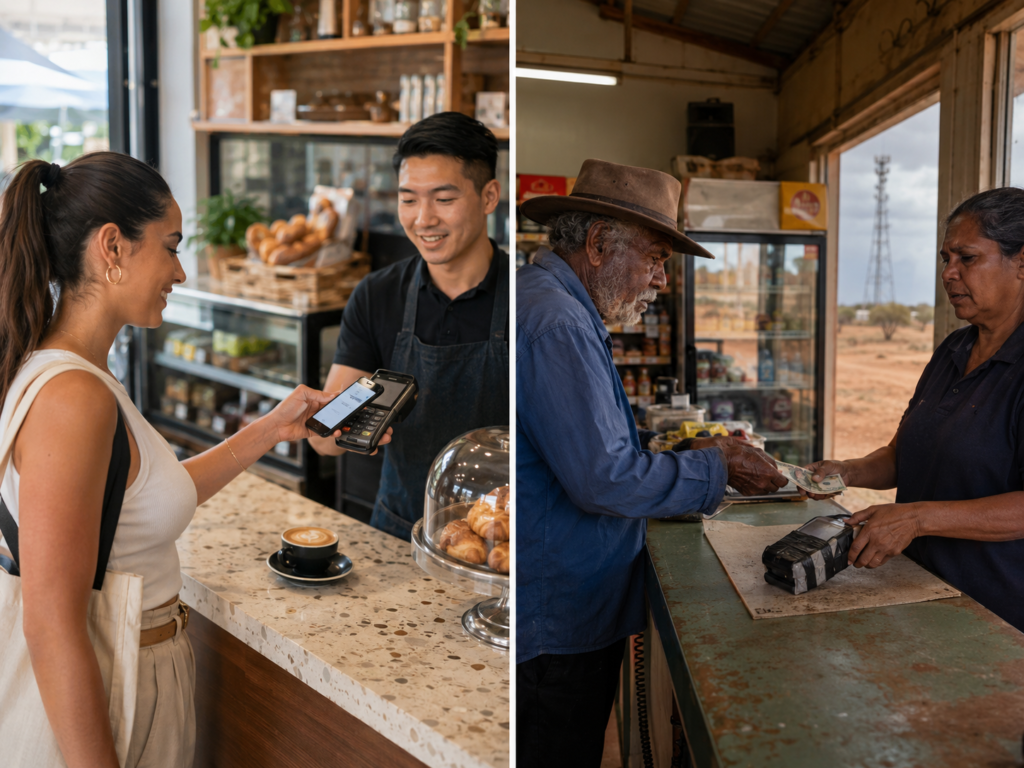
Australia’s Payment Revolution Is Happening Behind the Screen
The growth of digital payment applications in Australia in 2026 is often described through visible technologies such as mobile wallets and banking apps. Yet one of the most important changes is taking place beneath the user interface.
Modern payments increasingly depend on infrastructure designed to move money quickly between accounts and give consumers greater visibility over payment arrangements.
PayTo is a key example. Developed as part of Australia’s broader modern payment environment, the service is designed to support pre-authorised payments directly from bank accounts. Consumers can view and manage payment agreements through participating banking channels.
Official information about the service is available from Australian Payments Plus.
The development matters because Australia’s next stage of digital payment growth may not be based only on replacing a physical card with a digital version of the same card.
Account-to-Account Payments Create New Possibilities
Traditional card payments remain deeply established. However, account-to-account services can create different experiences for businesses and consumers.
A customer might authorise a recurring payment through a banking application rather than provide card details to a merchant. Payment instructions can then be managed through the consumer’s financial institution.
Subscriptions Are a Practical Real-World Example
Consider the growing number of subscription relationships in everyday life. Australians may have recurring payments for streaming platforms, gyms, utilities, insurance products and professional services.
When a card expires or is replaced, some payment arrangements may need to be updated. An account-based payment agreement can potentially offer a different model, particularly when consumers have a clearer way to see and manage authorised arrangements.
This is why the development of PayTo is relevant to the broader story of payment apps in 2026. The visible application may be a bank’s interface, but the deeper change concerns how the payment instruction is created, stored and controlled.
Banking Apps Are Becoming Payment Management Platforms
Modern banking applications are evolving beyond balance checks and simple transfers.
Consumers increasingly expect one place to manage cards, transfer funds, review transactions and respond to security alerts. As more payment infrastructure becomes available through digital channels, banking applications can become control centres for financial activity.
This creates an important competitive shift.
The best application may not be the one offering the largest number of features. It may be the one that makes complicated payment systems feel simple.
A consumer who can quickly identify a payment, understand its purpose and control an authorisation is likely to feel more confident using digital financial services.
Businesses May Gain More Choice
For merchants, the growth of modern payment infrastructure could create greater flexibility.
Businesses have traditionally depended heavily on cards for many digital transactions. Account-to-account payment services may offer an additional option for areas such as recurring billing and invoice settlement.
The commercial effect will depend on factors including customer adoption, bank participation, integration costs and the quality of the user experience.
A technically efficient payment system will struggle if consumers do not understand it. The same is true if a merchant’s checkout process introduces too many unfamiliar steps.
The Real Competition Is Over Simplicity and Control
Australia’s payment market in 2026 is therefore not simply a race between different applications.
It is a competition to make sophisticated financial infrastructure feel immediate and understandable.
Mobile wallets changed the physical checkout experience. Real-time payment systems accelerated transfers. Services such as PayTo are designed to change how certain payment agreements are authorised and managed.
Together, these developments suggest that the future of Australian payments will be defined by more than speed. Consumer control, clear authorisation and seamless integration are becoming equally important.