Australia’s Critical Minerals Boom: Lithium, Copper and Rare Earth Opportunities for ASX Investors
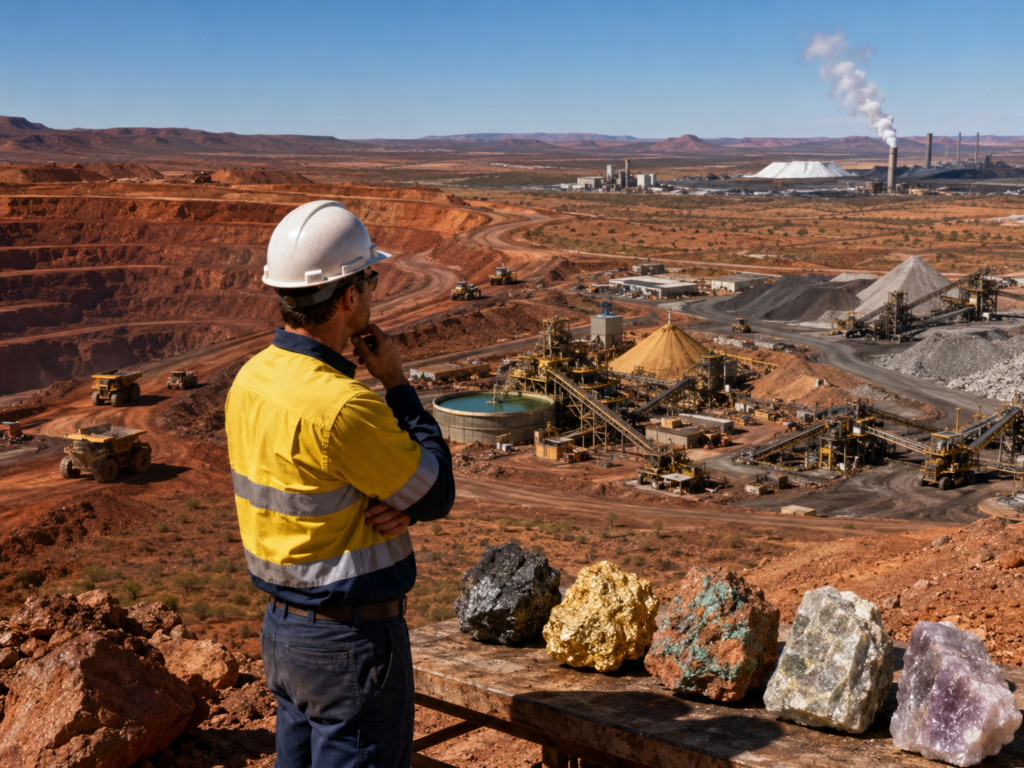
Australia’s resources industry has traditionally been associated with iron ore, coal and gold. The global energy transition is now increasing attention on lithium, copper, nickel and rare earth elements used in batteries, electricity networks, wind turbines and advanced manufacturing.
For investors, the critical-minerals theme appears attractive because electrification requires large quantities of mined materials. However, long-term demand growth does not guarantee profitable short-term investments.
Commodity supply can increase rapidly, technology can change and project-development costs can exceed early estimates.
Geoscience Australia’s Australian Identified Mineral Resources provides official information on the country’s mineral inventory, production position and economic resources.
Lithium Demonstrates the Difference Between Demand and Price
Australia is a major producer of spodumene concentrate, a lithium-bearing material used in battery supply chains. Strong electric-vehicle expectations previously encouraged mine expansions, new developments and aggressive market valuations.
The subsequent lithium-price correction showed that demand growth can continue while prices decline. This occurs when supply expands even faster than consumption or when buyers hold excess inventory.
Pilbara Minerals and Mineral Resources became important market examples because investors had to evaluate production scale, cost control and expansion plans against a much weaker pricing environment.
Balance Sheets Matter During Downturns
A well-funded producer may continue developing high-quality assets during a downturn. A highly leveraged developer may be forced to delay construction, issue new shares or negotiate less favourable financing.
Investors should therefore review liquidity, debt maturities and minimum cash requirements before relying on optimistic long-term lithium forecasts.
Copper May Offer a Broader Demand Base
Copper is essential for traditional construction as well as renewable energy, electric vehicles and power-grid expansion. This creates a broader demand profile than some battery-specific materials.
Australian miners with copper exposure may benefit from concerns about limited new global supply. Yet copper projects can require substantial capital, complex processing facilities and long development timelines.
Large diversified companies may be able to finance these projects internally, while smaller developers remain more dependent on equity markets and project partners.
Rare Earths Involve Strategic and Processing Risks
Rare earth elements are used in high-performance magnets and defence-related technologies. Australia’s rare earth industry has gained strategic attention as governments seek supply chains outside China.
Lynas Rare Earths is a significant listed example because it combines resource exposure with processing capabilities. Processing is particularly important: owning a mineral deposit does not automatically create a commercially viable supply chain.
Investors must examine metallurgy, recovery rates, product specifications, customer agreements and environmental approvals.
Government Support Does Not Remove Market Risk
Critical minerals can receive policy assistance through loans, grants, tax incentives or strategic partnerships. Such support may improve project economics, but it cannot guarantee demand, competitive operating costs or successful execution.
A project may be strategically important and still deliver weak shareholder returns if construction costs rise or commodity prices fall.
Investor Perspective
The strongest critical-mineral investments are likely to combine high-quality resources, disciplined management, realistic funding plans and clear customer demand.
Investors should avoid treating every company associated with batteries or electrification as a structural winner. The energy transition may be durable, but individual mining stocks will still be judged by production costs, balance-sheet strength and the price paid by shareholders.