The Rise of Wearable Technology in Australia and the Role of Start-ups
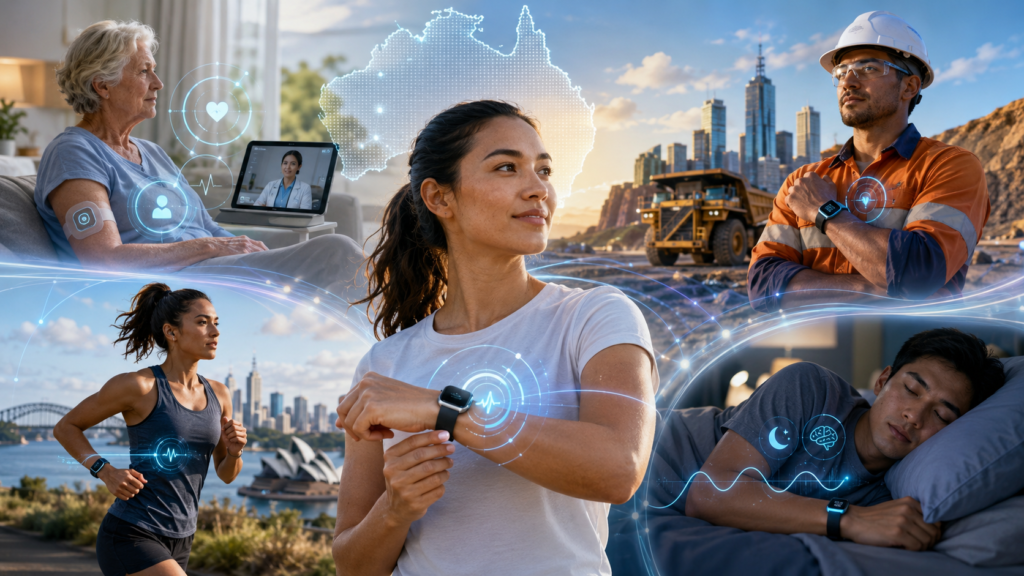
Australia’s wearable technology market is developing rapidly as consumers and businesses look for smarter ways to manage health, fitness, safety, and daily activities. Wearable devices are no longer limited to step counters or basic smartwatches. Today, they include advanced health sensors, smart clothing, connected eyewear, wearable payment tools, sports performance trackers, and workplace safety devices. This evolution gives Australian start-ups many chances to enter the market with innovative and practical solutions.
A key reason wearables are becoming popular in Australia is the growing focus on preventive healthcare. Many people want to understand their bodies better and make informed lifestyle decisions. Devices that measure sleep, heart rhythm, activity levels, stress, and recovery can help users identify unhealthy patterns. For start-ups, this creates an opportunity to design wearable platforms that do more than collect data. The most valuable products are those that explain the data clearly and suggest useful actions.
Australia’s healthcare environment also supports wearable innovation. The country has large urban hospitals, advanced medical research institutions, and remote communities that need better access to care. Wearables can help bridge the distance between patients and healthcare professionals. For example, a patient with a heart condition could use a device that alerts a doctor when unusual patterns appear. Elderly Australians living independently could wear sensors that detect falls or changes in movement. These applications are especially useful as the population ages.
Start-ups in this space can succeed by focusing on specific medical or wellness problems. Instead of creating a general fitness device, a company might build a wearable for post-surgery recovery, pregnancy monitoring, aged-care support, or mental wellbeing. Specialised products can be easier to position in the market because they solve clear problems for defined users. They may also attract partnerships with clinics, aged-care providers, and insurance companies.
The sports sector is another attractive field. Australians are highly engaged in sport, outdoor recreation, and fitness. Wearables that provide advanced performance insights can appeal to both professional athletes and everyday users. Start-ups can create devices that measure hydration, muscle load, impact, balance, or recovery time. Sports teams may use these tools to reduce injuries and improve training plans. Consumer products can also be designed for popular activities such as running, surfing, cycling, and gym training.
Industrial wearables represent a less crowded but highly valuable opportunity. Australia’s mining, construction, and agriculture sectors often operate in demanding environments. Wearables can improve worker safety by monitoring fatigue, heat exposure, posture, and location. A wearable device that warns workers or managers before an accident happens can provide strong business value. Because companies are often willing to invest in safety technology, business-to-business wearable solutions may offer strong revenue potential.
However, start-ups must overcome barriers. Wearable users expect devices to be comfortable, attractive, durable, and simple to use. Battery performance is also critical, especially for medical and workplace applications. Privacy is another major issue. Since wearables collect sensitive personal data, companies must protect information carefully and communicate their policies clearly.
The best opportunities in Australia will likely belong to start-ups that combine reliable technology with trust and practical benefits. Wearables need to fit naturally into people’s lives. A device that is technically impressive but uncomfortable or confusing will struggle. A product that solves a real problem, protects user data, and provides clear value can gain strong traction.
Australia’s wearable future will be shaped by collaboration between start-ups, healthcare providers, researchers, employers, and consumers. As digital health and smart devices become more common, wearable technology will play an increasingly important role in how Australians live, work, train, and care for their wellbeing.