Australia’s Environmental Groups: Guardians of Nature and Sustainability
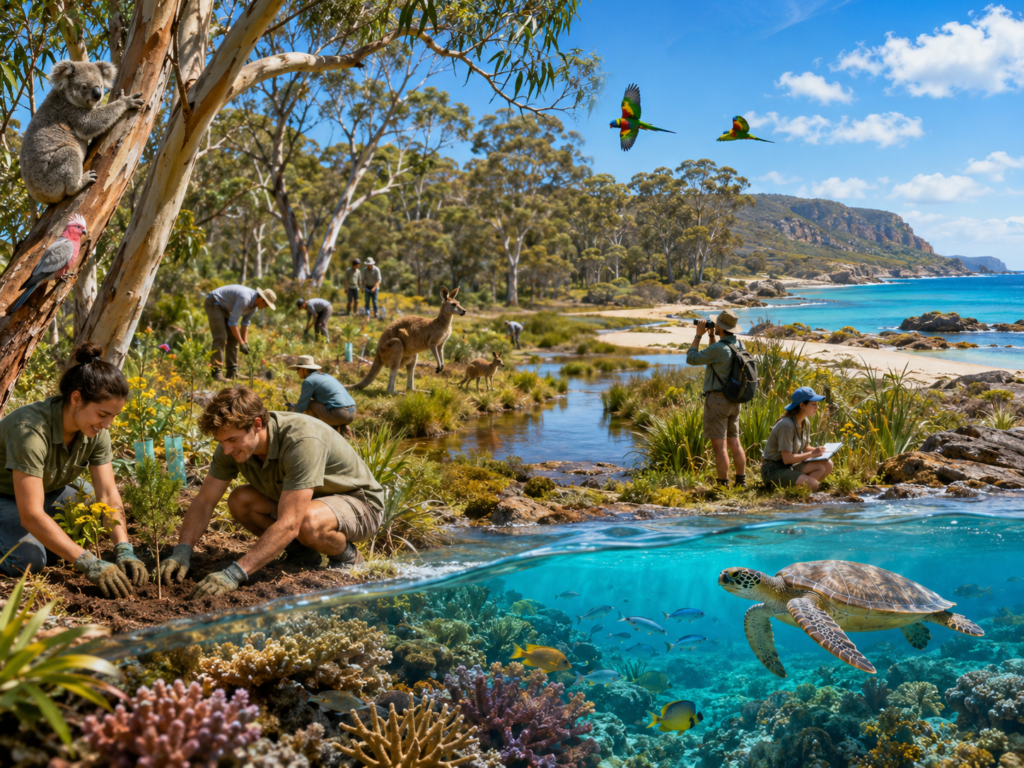
Australia’s vast landscapes, from arid deserts to coral reefs, host an extraordinary variety of wildlife and ecosystems. Protecting these natural treasures requires the concerted efforts of environmental organizations that combine advocacy, hands-on conservation, and public engagement. These groups are crucial in addressing pressing environmental challenges such as habitat loss, climate change, and biodiversity decline.
One of the leading voices in environmental advocacy is the Australian Conservation Foundation (ACF). The ACF actively campaigns for policies that reduce greenhouse gas emissions, protect native forests, and conserve freshwater ecosystems. Through research, lobbying, and public outreach, the ACF ensures that ecological considerations are central to government decision-making and corporate practices.
Bush Heritage Australia plays a complementary role by acquiring land of ecological importance and managing it to protect wildlife and plant diversity. Their approach is highly science-driven, involving habitat restoration, fire management, and species monitoring. By preserving critical habitats, Bush Heritage prevents the extinction of vulnerable species while maintaining ecological balance in targeted areas.
The World Wildlife Fund (WWF) Australia focuses on both global and local environmental issues. Their projects range from conserving marine environments along the Great Barrier Reef to promoting sustainable agriculture practices. WWF-Australia emphasizes collaboration with local communities, businesses, and policymakers, demonstrating that sustainable development is achievable when diverse stakeholders work together.
Community-based organizations also make a significant contribution. Landcare Australia empowers volunteers to restore natural areas, improve soil and water quality, and protect local ecosystems. Grassroots engagement strengthens environmental stewardship, connecting people directly with the landscapes they rely on and fostering a sense of responsibility toward conservation.
Environmental organizations increasingly collaborate with corporate partners to implement sustainable practices. Businesses can support conservation efforts through funding, responsible resource management, and sustainability initiatives. Such partnerships help integrate environmental responsibility into economic activity, making conservation an integral part of broader societal development.
Education is another cornerstone of environmental organizations’ work. Programs aimed at schools, local communities, and the general public raise awareness about climate change, sustainable living, and the importance of biodiversity. By equipping citizens with knowledge and practical skills, these organizations inspire lifestyle changes that collectively reduce ecological footprints.
Policy advocacy is equally important. Organizations like ACF, WWF, and Bush Heritage provide governments with data-driven recommendations and expert advice to shape environmental legislation. Their input ensures that national policies reflect scientific understanding and the urgent need for conservation measures.
Beyond preserving wildlife and natural habitats, environmental organizations in Australia contribute to human well-being. Healthy ecosystems provide clean air and water, support food security, and buffer communities against the impacts of climate change. By promoting sustainability, these groups help secure both ecological and social resilience.
Through strategic land management, public education, community engagement, corporate collaboration, and policy advocacy, Australia’s environmental organizations are indispensable in safeguarding nature. Their work exemplifies a multifaceted approach that protects biodiversity while fostering sustainable development for the future.