Autonomous Machines Down Under: Australian Robotics Ventures Transform Mining, Farming and Medical Care
Australia’s robotics ecosystem has a distinctly practical character. It is not driven by consumer gadgets or humanoid experiments, but by industries where distance, labour shortages and hazardous conditions demand new solutions. In 2026, startups are deploying autonomous vehicles in open-cut mines, robotic weeders on Queensland farms and assistive machines in hospitals. The common thread is real-world deployment rather than laboratory novelty.
Mining Automation Expands Beyond the Majors
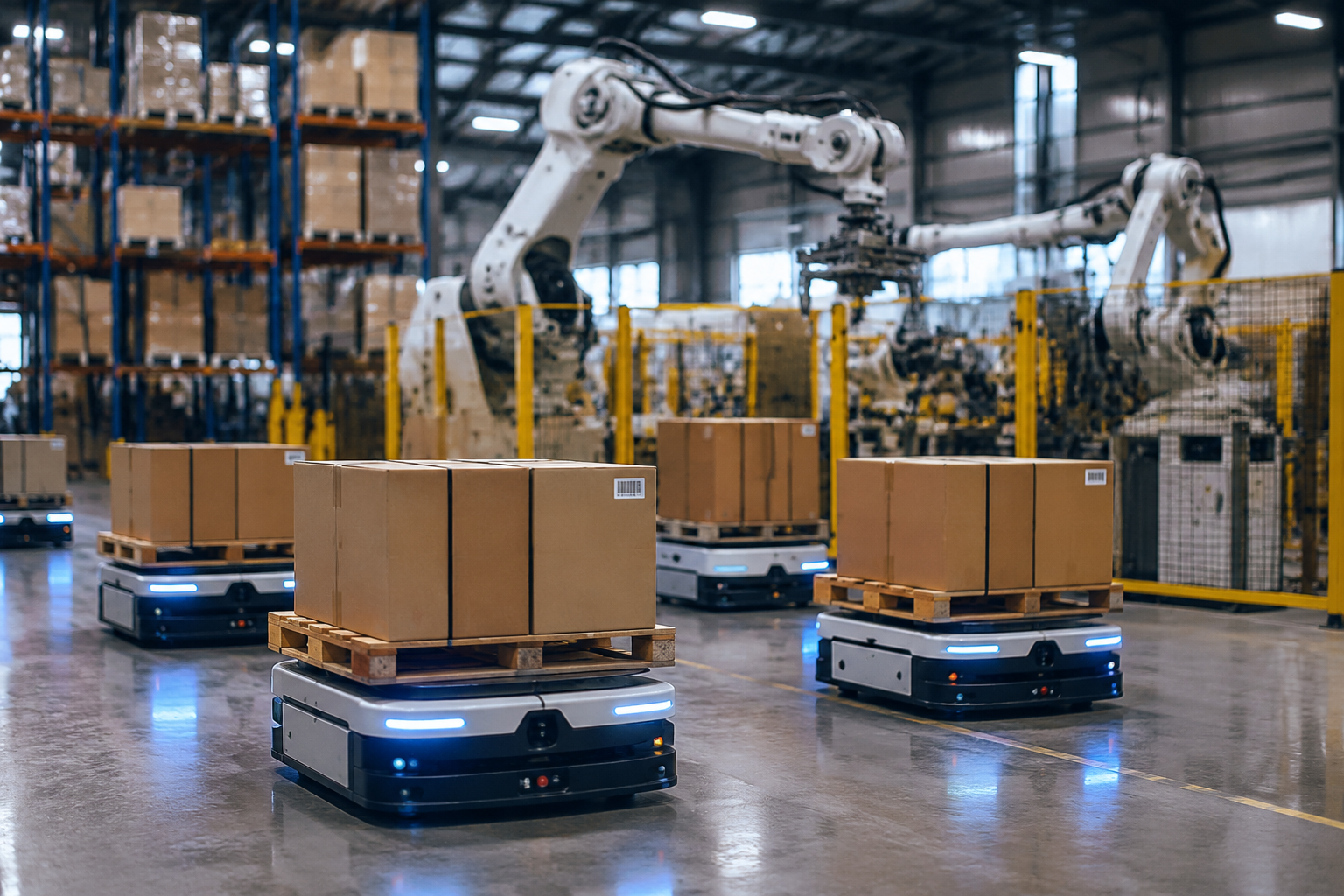
For decades, mining automation was dominated by large resource companies. Today, smaller robotics firms are entering the supply chain with inspection robots, remote sensor platforms and autonomous drones for underground and surface operations. Perth-based Nexxis, for example, supplies custom robotic inspection tools for oil, gas and mining clients. These systems reduce the need for workers to enter confined or dangerous spaces. As miners seek flexible, lower-cost alternatives to fleet-wide automation, demand for modular robotic solutions has grown.
Why Mining Leads Adoption
Mining’s high margins, remote locations and safety imperatives make it the most advanced adopter. Autonomous haul trucks and drilling rigs have already proven the economic case. Startups benefit because the industry has accepted automation as standard practice, reducing the sales cycle for new robotic tools.
Agricultural Robots Address Chronic Labour Shortages
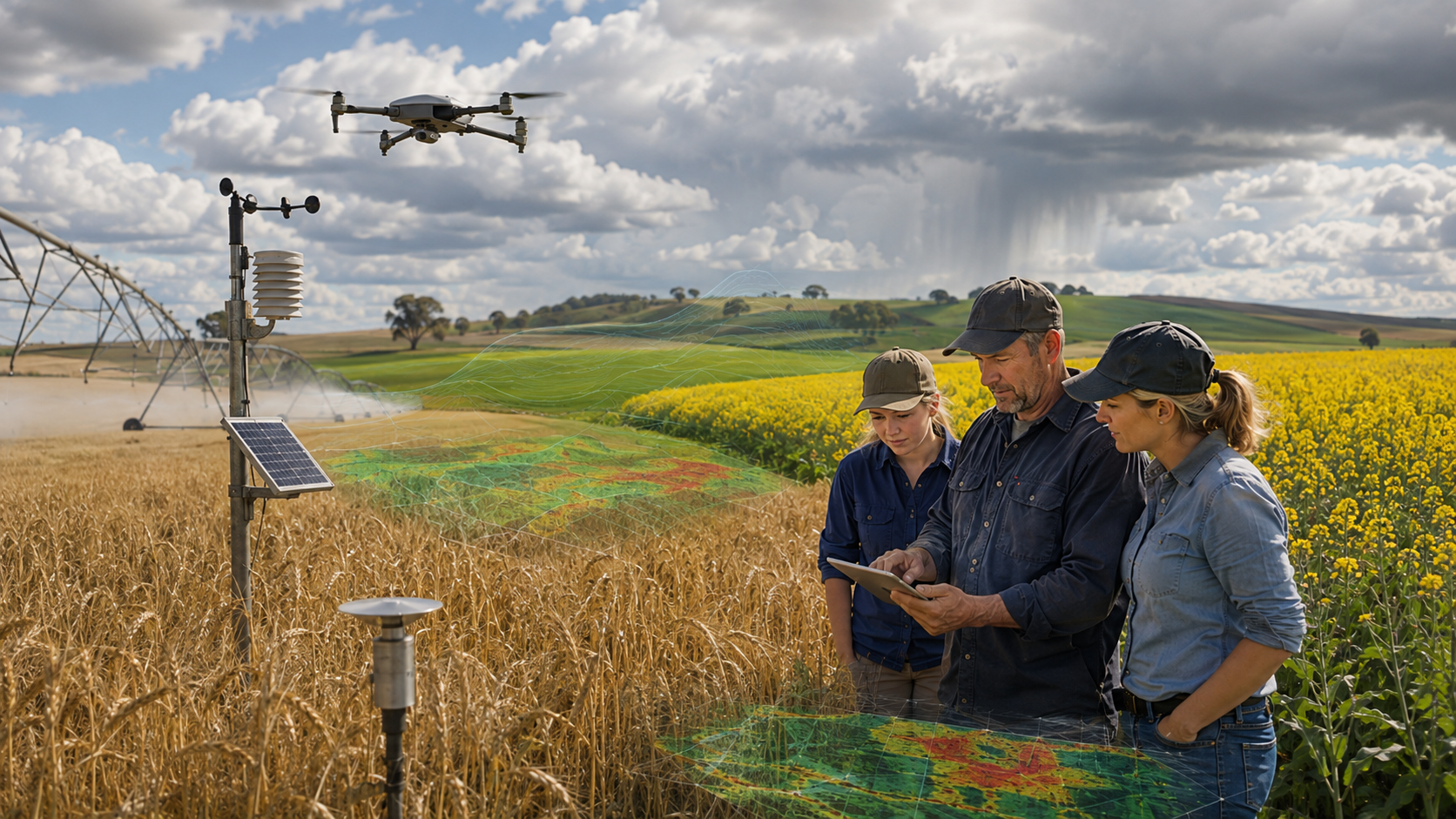
Horticulture and broadacre farming face persistent worker shortages. Australian startups have responded with autonomous platforms that can weed, spray and harvest. SwarmFarm Robotics in Queensland builds autonomous agricultural vehicles that perform precise tasks such as spot spraying and mowing. Many agtech firms use a robots-as-a-service model, lowering upfront costs for growers. Machine vision allows the machines to distinguish crops from weeds, cutting chemical use significantly in field trials. The Commonwealth Scientific and Industrial Research Organisation supports this ecosystem through its robotics research, available at csiro.au.
Healthcare Robotics Gains Practical Traction
Hospitals and aged care facilities are adopting service robots for logistics, disinfection and rehabilitation. Australian startups are also developing robotic-assisted surgical tools and wearable exoskeletons. Regulatory approval takes time, but the ageing population and high healthcare spending are attracting investment. The focus remains on assistive technologies that support clinicians rather than replace them.
Shared Testing Infrastructure Lowers Costs
Testing facilities and innovation hubs reduce the cost of developing hardware. State-level programmes provide access to active mine sites, rural properties and hospital simulation labs. This gives startups validation data that international competitors often struggle to obtain. The ability to test in genuine operating conditions is a structural advantage that shortens the path to commercial contracts.
Deployment Metrics Replace Hype
Investors in 2026 are paying close attention to hours of autonomous operation, safety records, maintenance costs and customer renewal rates. Startups that can demonstrate field reliability in remote areas are winning contracts in Southeast Asia, Latin America and North America. This focus on real performance is producing a more mature robotics sector, one that treats hardware as a service rather than a prototype.