CSL’s Horizon 2 Technology and the Future of Plasma-Derived Therapies in Australia
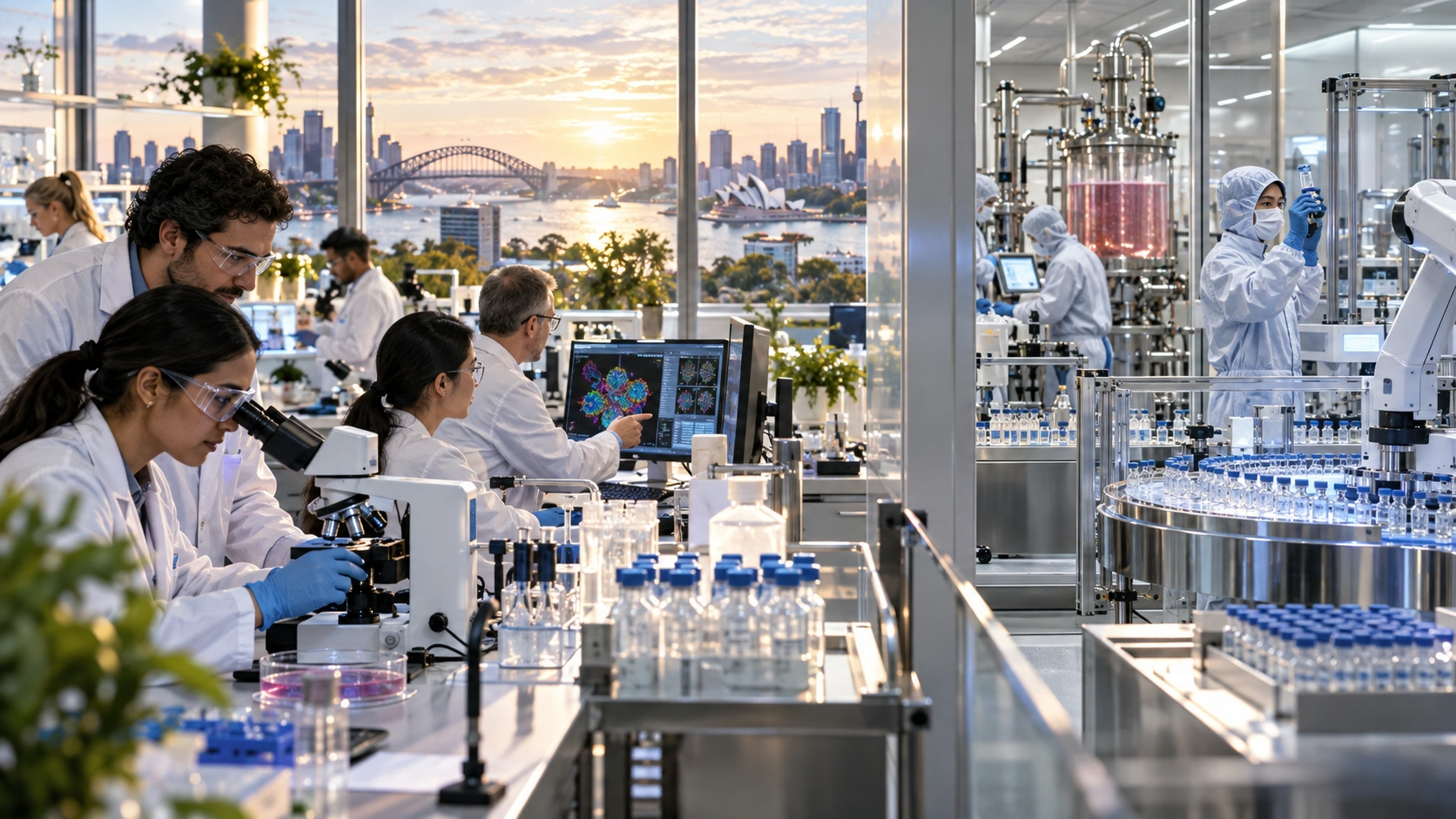
A Manufacturing Breakthrough with Global Implications
CSL Limited, Australia’s largest biotechnology company and a global leader in plasma-derived therapies, has entered a pivotal phase in its manufacturing innovation journey. In July 2026, the Melbourne-based company announced it would initiate clinical trials to support regulatory approval of its proprietary Horizon 2 technology—a patented manufacturing process designed to increase immunoglobulin yield from plasma. The decision followed consultations with both the U.S. Food and Drug Administration (FDA) and the European Medicines Agency (EMA), positioning the program for potential simultaneous regulatory submissions across major markets.
The clinical work is expected to commence in mid-2027, utilising material manufactured at CSL’s Broadmeadows facility in Victoria. This timeline reflects the company’s confidence in the technology’s regulatory pathway and its strategic commitment to maintaining Australia as a core manufacturing base despite significant international expansion.
The Science and Economics of Yield Improvement
Immunoglobulin therapies, derived from human plasma, are used to treat a range of conditions including primary immunodeficiency disorders, autoimmune diseases, and neurological conditions. The fundamental economic challenge in this sector is that plasma is a scarce and expensive raw material. Improving manufacturing yield from existing plasma supplies directly addresses this constraint, potentially improving both supply security and margin structure.
Horizon 2 represents a step-change in this efficiency equation. Rather than requiring additional plasma collection—a logistically complex and donor-dependent process—the technology extracts more therapeutic protein from the same volume of raw material. For CSL, this translates into a significant margin lever: the company can serve more patients without proportionally increasing plasma collection costs.
The market response to the announcement was notably positive. CSL shares rose as much as 7.7% to A$128.670, reaching their highest level since April 2026 and making the stock the top gainer on the benchmark S&P/ASX 200 index. This reaction reflects investor recognition that manufacturing efficiency improvements in plasma fractionation can generate substantial long-term value.
Strategic Context: Balancing Global Expansion with Australian Roots
CSL’s manufacturing strategy has increasingly taken on a dual character. In November 2025, the company committed to investing $1.5 billion in the United States to manufacture plasma-derived therapies, part of a broader five-year strategy to expand its manufacturing footprint. This U.S. investment reflects both market access considerations—the United States is the world’s largest plasma market—and geopolitical risk management.
Yet the Horizon 2 clinical trials will utilise material produced at Broadmeadows, underscoring the continued importance of Australian manufacturing to CSL’s global operations. The Broadmeadows facility is one of the world’s largest plasma fractionation sites, and its role in validating next-generation manufacturing technology reinforces Australia’s position in the global plasma product value chain.
This dual-track approach—expanding U.S. capacity while maintaining technological leadership from Australia—offers a template for other Australian biotech companies navigating the tension between domestic roots and global market imperatives.
The Broader Plasma Industry Landscape
CSL’s Horizon 2 program unfolds against a backdrop of structural change in the global plasma industry. Demand for immunoglobulin therapies has grown consistently, driven by expanding indications in neurology, immunology, and hematology. However, plasma collection capacity has struggled to keep pace, creating supply constraints that periodically affect patient access.
The COVID-19 pandemic disrupted plasma collection networks globally, and the industry has been working to rebuild donor volumes. In this environment, technologies that improve yield from existing plasma supplies become strategically valuable. CSL is not alone in pursuing this objective, but its scale—as one of the world’s largest plasma product manufacturers—means its manufacturing innovations have industry-wide implications.
The company’s Research Acceleration Initiative, which focuses on therapeutic areas including immunoglobulins, iron metabolism, and transplant immunology, signals a continued commitment to pipeline expansion beyond manufacturing efficiency. The integration of manufacturing innovation with therapeutic discovery creates a virtuous cycle: improved yield economics fund further research, which generates new products, which in turn drive demand for manufacturing capacity.
Implications for Australia’s Biotech Ecosystem
CSL’s manufacturing innovation agenda has ripple effects throughout Australia’s biotechnology ecosystem. The company is a significant employer of scientific talent, a training ground for process development expertise, and a customer for Australian research institutions. When CSL invests in next-generation manufacturing technology, it strengthens the domestic capability base in bioprocessing—a skill set that is increasingly valuable as Australia builds sovereign mRNA and advanced therapy manufacturing capacity.
The Broadmeadows facility’s role in Horizon 2 clinical trials also reinforces Melbourne’s position as a global biomanufacturing hub. The concentration of plasma fractionation, mRNA manufacturing, and cell therapy production capabilities in Victoria creates a cluster effect that attracts talent, investment, and partnership opportunities.
For Australian policymakers, CSL’s experience illustrates the importance of maintaining a supportive environment for large-scale biomanufacturing. The company’s ability to conduct clinical trials in Australia using locally manufactured material depends on regulatory efficiency, workforce availability, and infrastructure investment—all areas where coordinated government-industry action can enhance competitiveness.
Looking Forward: Clinical Validation and Commercial Scale
The Horizon 2 clinical trials represent a critical inflection point. Success would validate a manufacturing platform that could deliver incremental yield improvements across CSL’s immunoglobulin portfolio, with compounding benefits over time. The trials will evaluate both safety and efficacy of immunoglobulin produced using the new process, establishing the regulatory foundation for commercial-scale deployment.
Beyond CSL’s own operations, the program demonstrates that manufacturing innovation remains a source of competitive advantage in biotechnology. In an industry often focused on therapeutic novelty, process technology can be equally transformative—particularly for products derived from biological raw materials where supply constraints are binding.