Technology, Data, and the New Australian Shopper
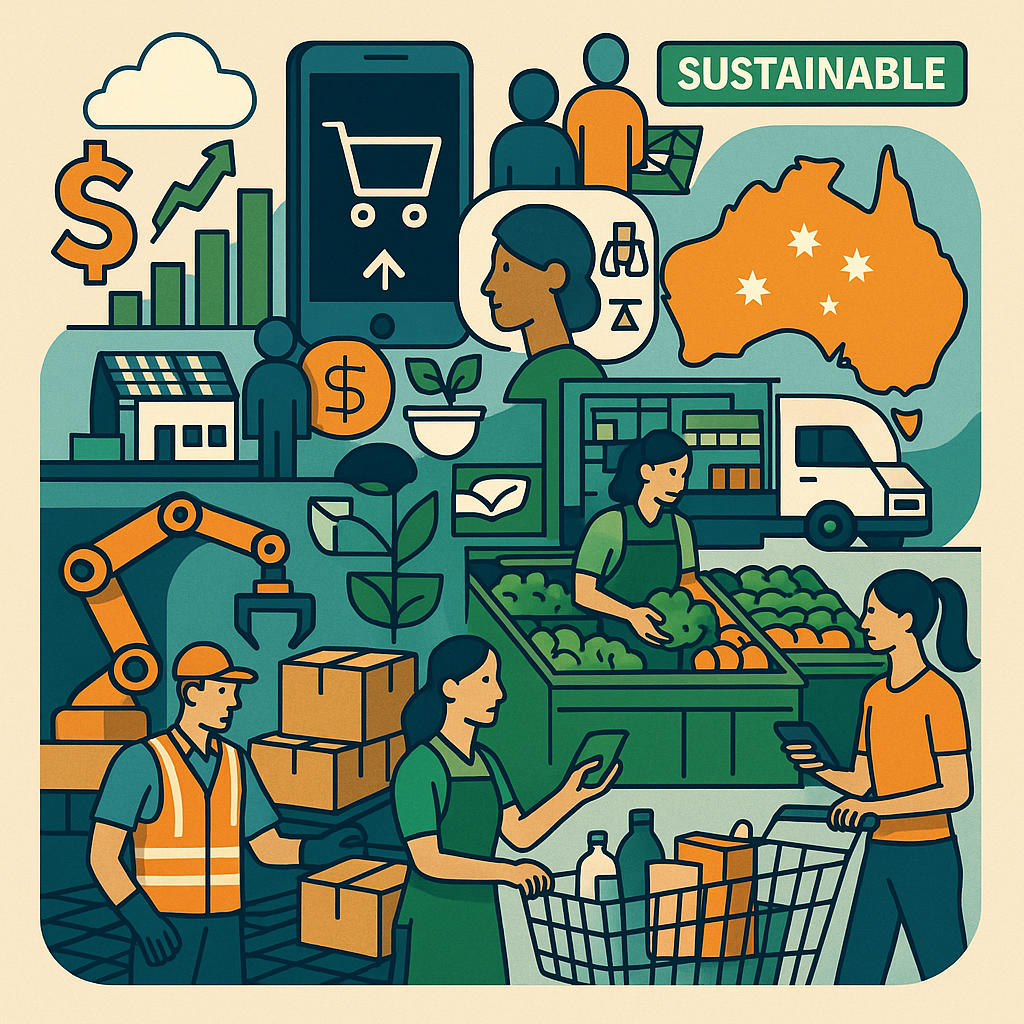
The retail sector in Australia is an instructive case study in how scale, technology, and consumer insight can intersect. A handful of big supermarket and general merchandise groups enjoy extensive bargaining power over suppliers and widespread recognition among shoppers. But the last decade has shown that dominance must be continuously defended, largely through smart use of data and digital tools.
Australian retailers have invested heavily in loyalty programs that capture detailed information on shopping patterns: which products are bought together, how shoppers respond to price changes, and which promotions drive real volume. This data is the backbone of personalised marketing—emails, app notifications, and tailored discounts that aim to deepen customer engagement. For the largest players, this information advantage reinforces their scale and allows them to negotiate better with suppliers, shape product ranges, and even experiment with new formats more safely.
The Australian consumer has become comfortable with online and hybrid forms of shopping, especially since the pandemic accelerated digital adoption. Click-and-collect, same-day delivery in metropolitan areas, and subscription-style services for essentials are now common offerings. Consumers who once worried about the reliability of online orders now expect seamless fulfilment, clear communication, and easy returns. Retailers that fail to deliver a smooth digital journey risk eroding decades of brand loyalty.
Payment behaviour is also shifting. Contactless payments have become ubiquitous, and buy-now-pay-later services gained traction particularly among younger shoppers. These services change how consumers think about affordability and timing of purchases, and retailers have adjusted accordingly, integrating these options both in-store and online. For major companies, staying aligned with evolving payment preferences is another way to maintain their position as default shopping destinations.
Australia’s geography adds another layer of complexity. Serving vast regional and remote areas has always been challenging, and retailers must balance the cost of logistics with the need to provide reasonably priced goods. Larger companies have generally managed this more effectively, thanks to sophisticated supply chains and distribution centres. However, online marketplaces have opened up new channels for regional customers, putting indirect pressure on traditional networks and encouraging innovation in delivery models and local partnerships.
Changing social values are reshaping expectations across the sector. Many consumers now scrutinise sustainability claims, packaging choices, and labour practices. Large retailers are often under the microscope, facing media scrutiny and public debate more frequently than small operators. In response, they highlight efforts to reduce food waste, source ethically certified products, and offer reusable or reduced-plastic packaging. While not all customers base every purchase on these issues, they increasingly influence brand perception and long-term loyalty.
Ultimately, Australian retail dominance in the 2020s hinges on more than just store numbers and advertising strength. It depends on how effectively companies harness data, adapt technology to improve convenience, and respond to shifting social and economic realities. The Australian shopper is highly connected, price aware, and open to switching brands. Those retailers that use their scale to innovate, rather than simply defend old models, are best placed to remain at the centre of daily life for millions of households.